5 Reasons Free Coloring Printables Lead to the "Scribble and Run"
(And the Therapist Trick to Rebuild Their Focus)
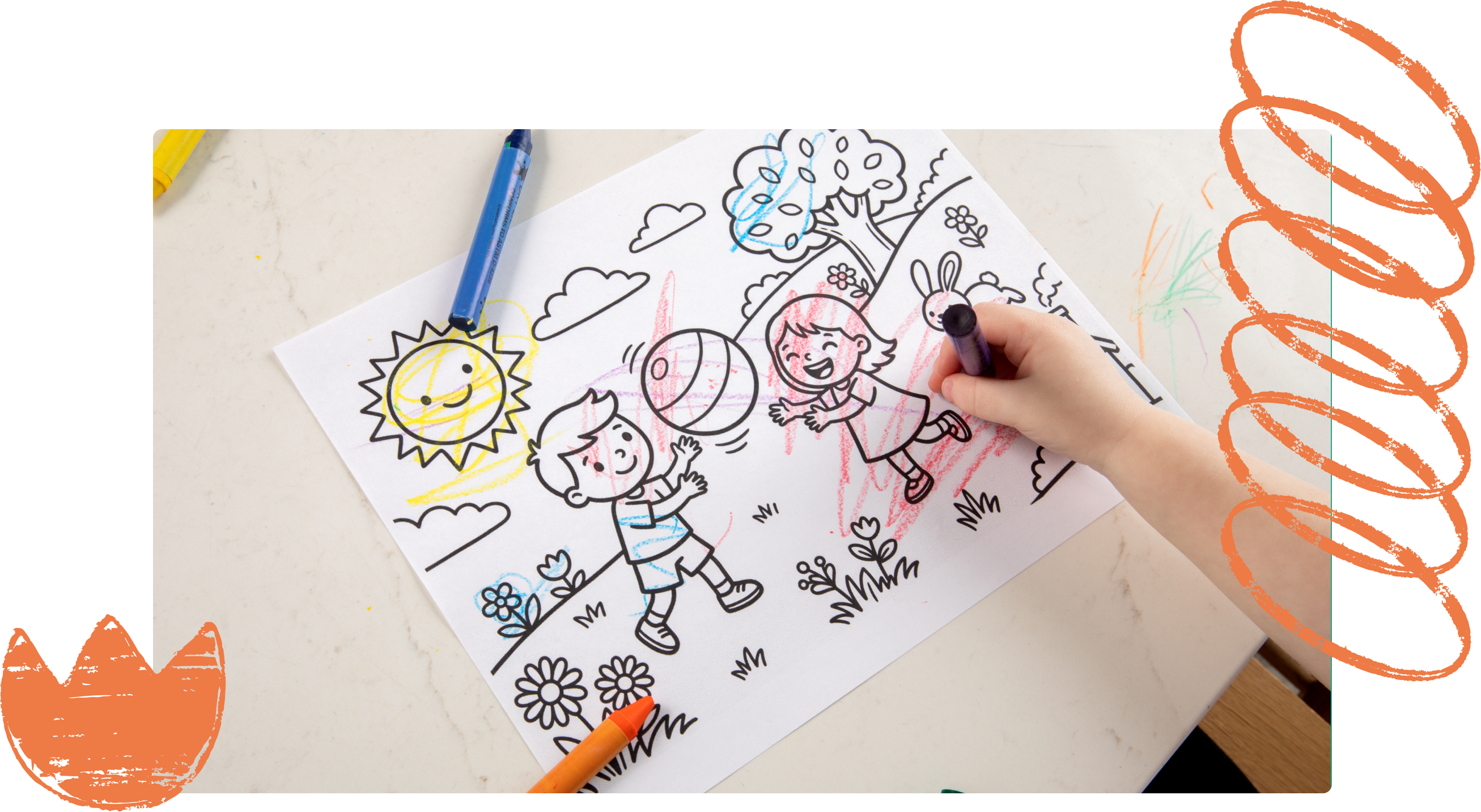
Why your child abandons their coloring book after two minutes and how a simple design change triggers the "Success Loop" instead.
If you are a parent of a young child, you might relate to this nighttime anxiety: you want them to succeed in kindergarten, but every time you try to guide their pencil grip, it ends in frustration. You worry that, if their handwriting doesn't improve, they might fall behind academically or lose their self-esteem.
You are not alone, and more importantly, this is not your fault.
Kindergarten teachers are noticing a massive trend. According to recent surveys, 77% of educators have observed young students struggling with basic fine-motor tasks like holding a pencil or using scissors compared to just five years ago. One teacher described the modern classroom bluntly: "It's like they've never seen a block".
The reality is that "kids today" spend so much time swiping screens that they aren't developing the hand strength or patience required for writing and coloring. When you hand them a traditional coloring book, they scribble for two minutes and run away.
As a Developmental Specialist, I see parents spend a fortune on special ergonomic pencil grips, only for their child to throw them or complain, "It hurts!". I see families buy thick handwriting workbooks, only to watch their child cry every time they pull it out because the repetitive drills feel like punishment.
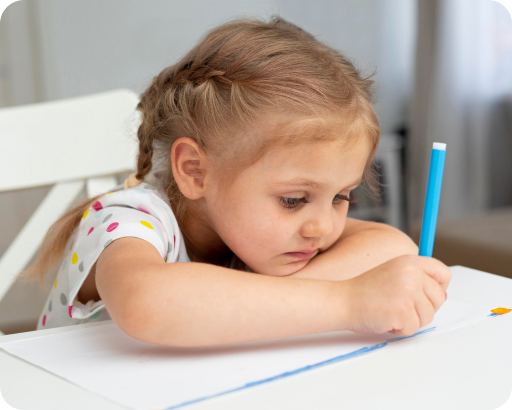
The problem isn't your child's intelligence. The problem is the tools we are giving them. Here is why standard coloring books and free printables lead to the "Scribble and Run" and how we fix it.
1. They Lack "Success Zones" (The Skill Mismatch)
When a coloring page is too busy or the shapes are too small, a child’s brain cannot find a starting point. Active kids, or those used to fast-paced screen stimulation, find plain coloring incredibly boring. Worse, a child with slight fine motor delays might find regular coloring books too difficult and feel bad about scribbling outside the lines. The challenge exceeds their skills, leading to immediate frustration.
2. Standard Coloring Pages
A standard coloring page completely ignores the physical endurance required for a developing hand to complete a picture. When a child holds a crayon, they are using the small intrinsic muscles of their hand. Maintaining the high-precision pinch grip required to navigate thin black lines over a large, empty white space is an enormous physical load. The demand simply outstrips their physical capacity.
3. The Fear of Making a Mistake is Paralyzing
With regular crayons on paper, a mistake is permanent. For kids who are easily frustrated, perfectionists, or those with anxiety, the pressure to "get it right the first time" is enough to make them quit before they start. If an activity demands too much effort with no easy way to correct a slip of the hand, they will simply refuse to do it.
4. They Don't Naturally Build the "Focus Muscle"
Parents today frequently express concern about their child's dependency on instant gratification from devices, noting the need to train their ability to focus. But focus isn't just a mental state; it is driven by motor engagement. Think about an adult cutting onions, if you aren't focused on your hands, you cut your finger! Motor tasks demand focus. Standard coloring books often feature uninteresting scenes and bland, shallow characters. The lack of character development and story leaves kids disengaged from the scenes, making it harder to focus.
5. They Are Missing the "Giggle Factor"
Therapists know that a child needs some frustration tolerance to be successful with standard writing aids. But how do you bypass a lack of tolerance? Humor. If a book makes them laugh with silly cartoons or jokes, they will come back to it. Standard coloring books are often too serious or lack a narrative. If it's not fun, it feels like homework, and children will rebel.
The Solution: Enter the "Success Loop"
To build their seated stamina and prepare them for the classroom, we have to make them feel confident without nagging them every ten seconds.
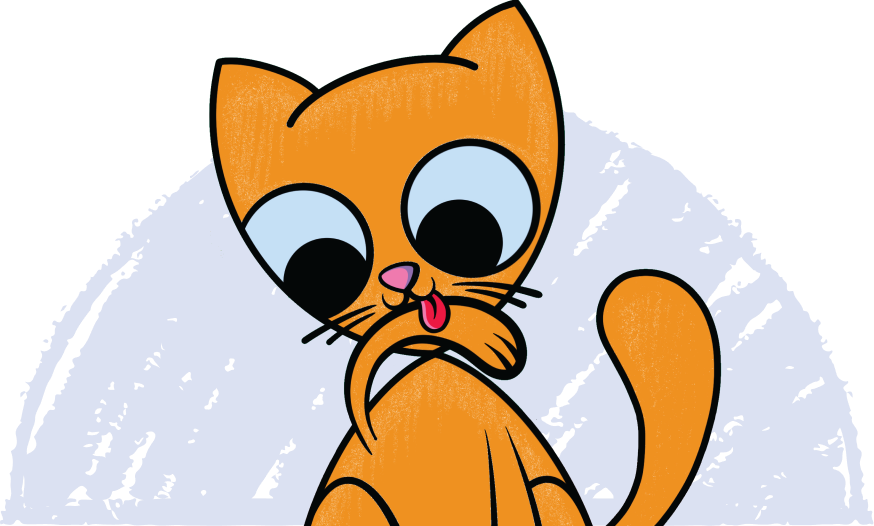
That is exactly why I designed Cat Cat Don't Do That! It is a developmental adventure disguised as a hilarious book about a mischievous orange cat. Here is how it reverses the Scribble and Run:

Color Bumpers
Our color bumpers are pre-colored boundaries that allow the child to color inaccurately and still create colored shapes that they recognize and provide feelings of success and pride
Large "Success Zones"
We stripped away the visual clutter. The simple images do not overwhelm the child, which has been shown to improve executive functioning and focus.
Wipes Clean
It is 100% dry-erase. Did they mess up? Just wipe it away. (And yes, you can use those standard, non-toxic Expo dry-erase markers you already have!).
When children feel successful, they practice more. When they practice more, they develop faster. That is the Success Loop. And when they finally write their name clearly or proudly show off a finished page, that small victory is a huge emotional win for the whole family.
Discover the Success Loop with Cat Cat
Purposeful Play (The "Gummy Vitamin" Approach)
You are already doing an incredible job navigating your child's development; we are simply here to add a brilliant tool to your family's library. To your child, a CatCat book is just a hilarious, engaging story. We know children naturally reject activities that feel like rigid homework, so we designed this like a "gummy vitamin", delightful to consume, but deeply nourishing in its effect. While they are laughing at the characters and enjoying the play, they are organically building their focus and motor endurance without a hint of frustration.